Production Manuals

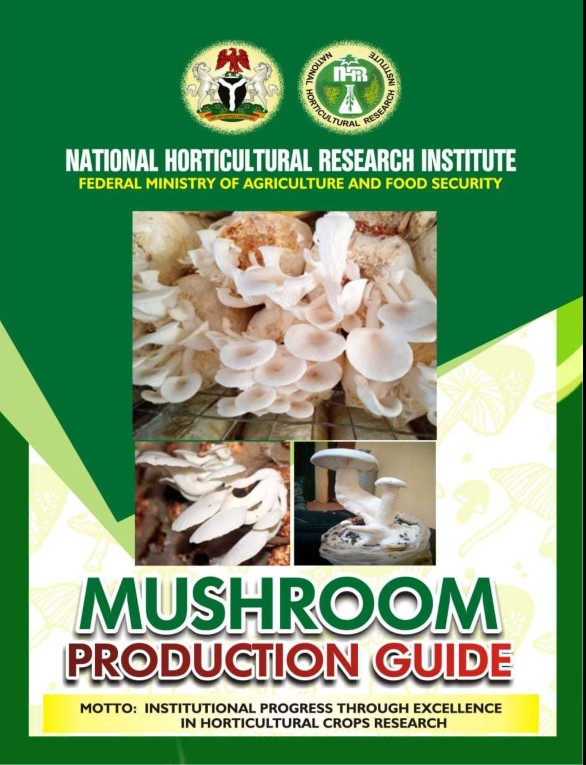
Mushroom Production Guide

Mushrooms are macro fungi, non-green and fleshy plants, that can be seen with the naked eyes. They are rich sources of proteins, vitamins and minerals including potassium, magnesium, calcium, vitamins C, D, and B complex (niacin, riboflavin, thiamine & folic acid) which are lacking in most vegetables. They are low in sodium and fat, rich source of selenium which has anti­cancer, anti-oxidant and anti-inflammatory potentials. They lower blood cholesterol because of the presence of fibre and statin, and prevent diabetes because of low carbohydrate, no cholesterol and fat. They contain ergothioneine, a powerful antioxidant which provides protection from free radicals as well as boosts the immune system. Mushroom cultivation although yet to be adequately explored has many advantage among which are: • Short duration of crop cycle enables quick income generation • Availability and abundance of agricultural wastes for its cultivation • Once farm house is constructed and basic supplies are sourced, subsequent production cost drops to 20%
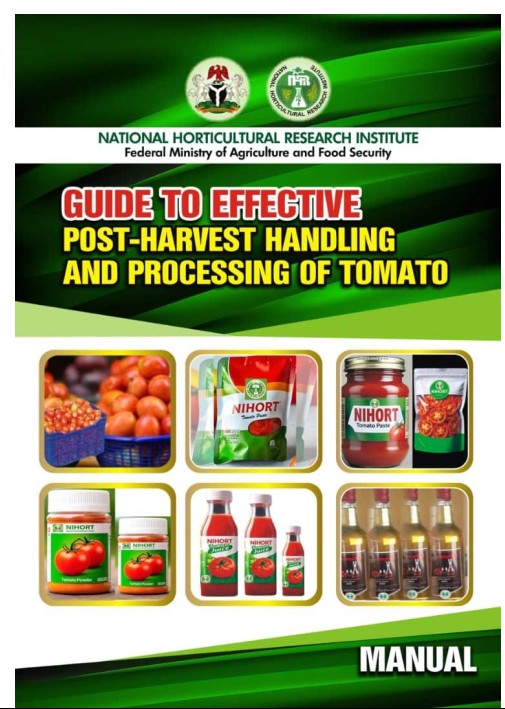
Guide to effective Post-harvest handling and processing of Tomato

Tomato is an important vegetable with a rich nutritional profile, economic significance, and versatility in culinary applications. It has huge potential to contribute to food security, income, and employment generation. Tomatoes are highly perishable, and losses occur both in quality and quantity between harvest and consumption. These losses have been estimated to be as high as 60% along the value chain. Losses mostly occur during the peak season of tomato production. The factors responsible for these losses include: poor handling practices, improper processing techniques, inadequate marketing and storage facilities, as well as poor transportation processes. To minimize post-harvest losses, and encourage effective processing, the National Horticultural Research Institute has developed approaches and strategies as highlighted here.

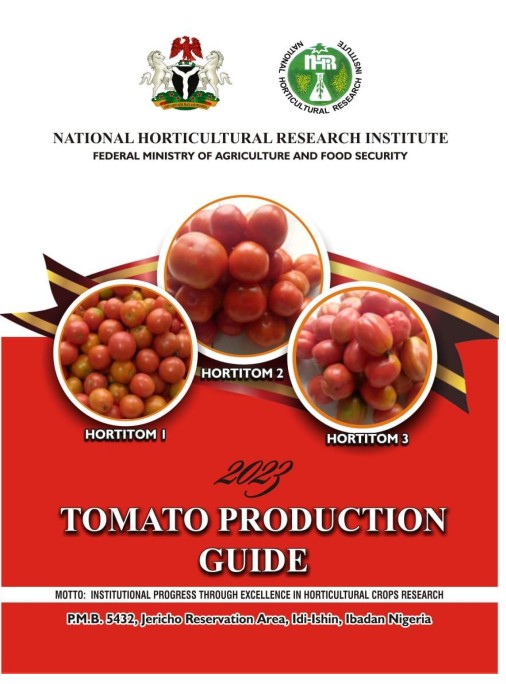
Tomato production guide 2023

Tomato (Lycopersicon lycopersicum) is one of the most important fruit vegetables consumed world-wide. lt is among the topmost cultivated fruit vegetable in Nigeria and is demanded all year round due to its usage for both fresh and canned food processing. Tomato with good shade of red contains high lycopene and beta-carotene which are vital antioxidant that fight against cancerous cell formation and other health complications. It is also a rich source of essential minerals and vitamins. However, tomato cultivation in Nigeria is severely affected by Fusarium wilt disease caused by the soil borne pathogen Fusarium oxysporum fsp lycopersici which attacks tomatoes at any growth stage of the plant thereby causing low yield.Hence, the need to breed new varieties that will be tolerant to this pathogen and also enhance productivity which is of high priority to the attainment of food security and economic diversification.